Understanding CSTUR Reactors: Applications, Advantages, and Continuous Processing Benefits
Modern chemical production requires moving beyond conventional batch methodologies. Across chemical and pharmaceutical sectors, processing efficiency depends on how well fluid dynamics and thermal properties are managed. A continuous flow reactor represents the definitive path forward for industrial process intensification. Within this technological shift, the Continuous flow reactor has emerged as an essential tool for handling difficult chemistries. This advanced flow reactor architecture integrates the excellent mixing capabilities of a stirred tank with the continuous throughput of a traditional pipeline system.
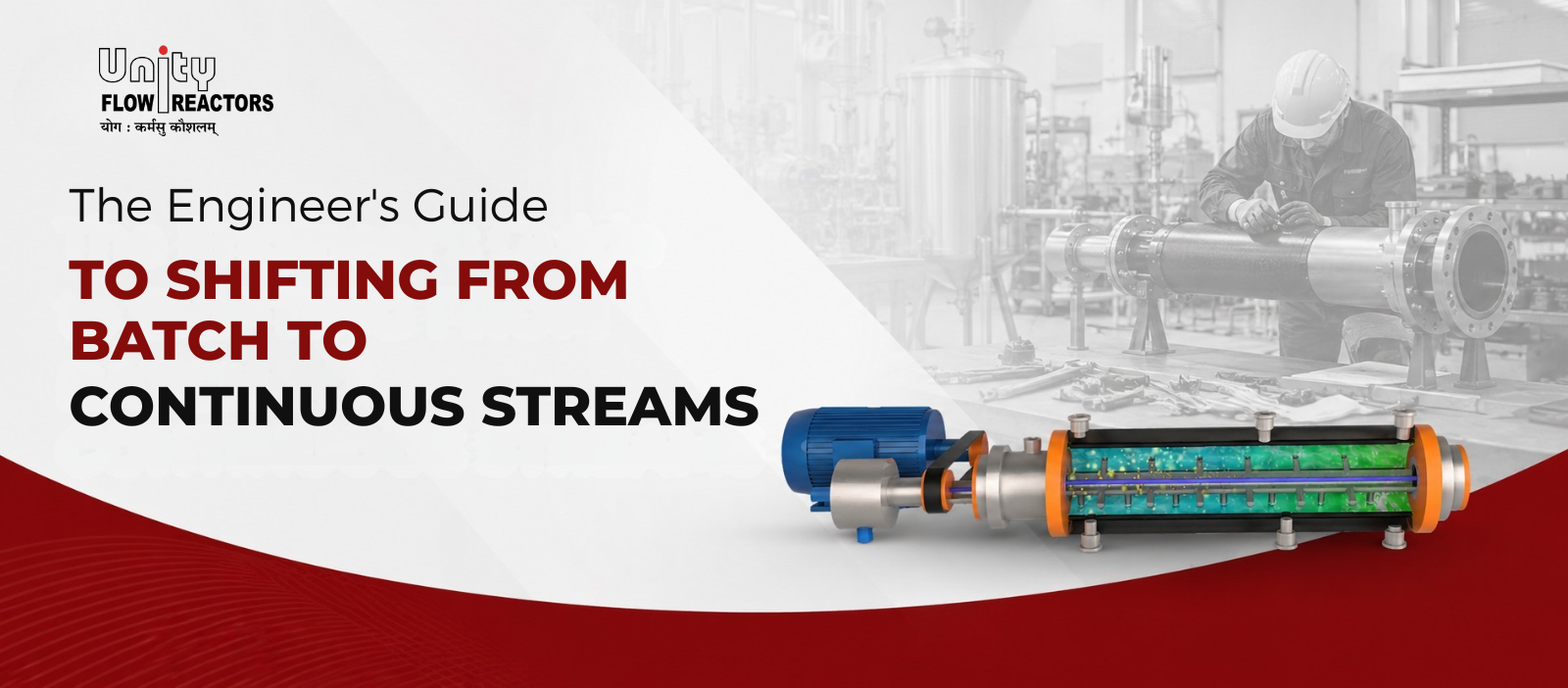
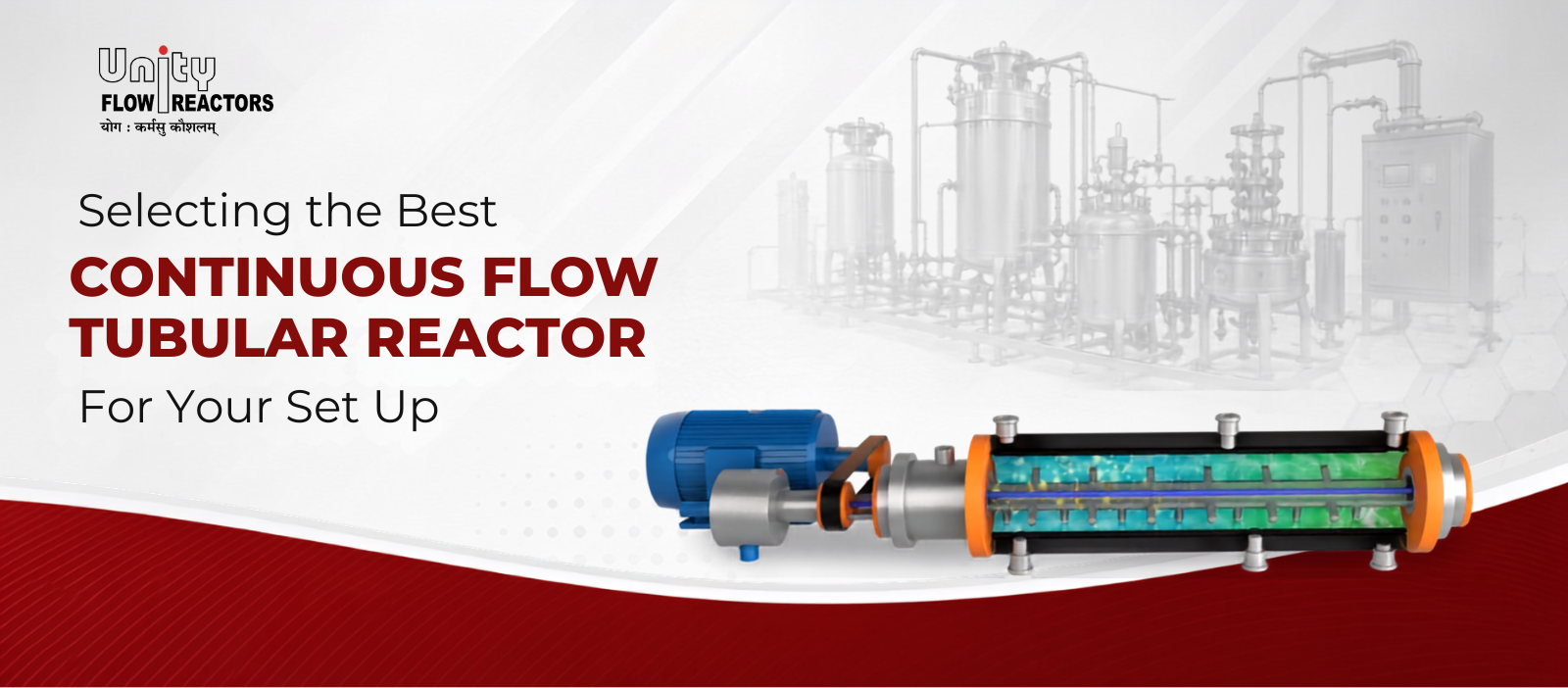
For manufacturing leaders, understanding the mechanics of a CSTUR is the first step toward optimising line throughput. Unlike a standard continuous flow tubular reactor, which can suffer from poor mixing when handling viscous fluids or multiphase slurries, a CSTUR uses internal mechanical agitation. This design ensures that reactants are completely homogenised as they move through the system. By combining continuous feeding with active stirring, plants achieve uncompromised process consistency without the typical downtime associated with vessel cleaning and recharging.
The Architecture of a CSTUR Reactor
Every chemical reaction has a unique physical and thermal profile. Standard off-the-shelf vessels often fail when forced to accommodate highly specialised kinetics. A well-engineered CSTUR reactor design must balance residence time distribution with heat removal rates. In a standard pipeline setup, fluid velocity can vary between the pipe centre and the walls, leading to uneven reaction times. The CSTUR addresses this by partitioning the tube into a series of highly agitated micro zones.
- Uniform Mixing Profile: High-speed mechanical stirrers operate along the fluid pathway to create uniform concentration levels.
- Minimised Back mixing: The sequential design ensures the fluid moves predictably from entry to discharge, exhibiting true plug-like behaviour.
- Slurry Handling Capability: Active agitation prevents solids from settling, making it ideal for heterogeneous catalytic processes.
When evaluating different types of reactors, production managers must focus on the specific mass transfer limits of their chemistry. A continuous stirred tubular framework bridges the gap by offering the residence time control of a tube alongside the aggressive mixing of a tank. This makes it an ideal fit for complex chemical reactions and multi-phase liquid-liquid extractions.
Critical Processing Benefits and Advantages
The transition to a continuous flow reactor setup yields immediate operational savings. Traditional batch processing requires significant energy to heat and cool massive volumes of stagnant material. A continuous stirred system minimises the active fluid inventory while maximising the available heat-transfer area.
Because the internal fluid volume remains small at any given moment, the thermal footprint is minimised. If an exothermic reaction begins to experience a temperature spike, the high surface area allows for near-instantaneous heat dissipation. This containment makes the process inherently safer than handling thousands of litres in a single batch vessel. Furthermore, scale-up becomes highly predictable. Instead of re-engineering the entire vessel geometry, production capacity is increased by extending the operational runtime or utilising parallel processing channels.
The Customisation Advantage by Unity Flow Reactors
No two chemical processes are identical, which is why a generic catalogue approach to reactor procurement often leads to performance bottlenecks. The core strength of Unity Flow Reactors lies in the commitment to application-specific engineering. We understand that variables like viscosity changes, gas evolution, and corrosive intermediates demand a customized approach to CSTUR reactor construction.
Our engineering team reviews your specific reaction kinetics and thermodynamic data before fabrication begins. We customise internal stirrer speeds, stage partitioning, and metallurgy to align perfectly with your process requirements. Whether your chemistry demands exotic alloys like Hastelloy or precise pressure ratings, our in-house manufacturing ensures absolute quality control. This tailored methodology eliminates process bottlenecks and provides a robust production asset built for long-term reliability.
Embracing continuous processing is an operational necessity for plants aiming to secure a competitive edge. The CSTUR architecture provides the mixing efficiency and thermal control needed to safely handle challenging industrial chemistries. Selecting the right equipment requires partnering with an engineering authority that prioritises precision over generic manufacturing templates.
Unity Flow Reactors brings thirty-five years of process engineering expertise to your facility. Our customised continuous systems are designed to transform your production benchmarks by elevating safety and product purity. For advanced process monitoring and seamless facility integration, pairing our reactor hardware with our automated control systems delivers unmatched operational leverage. Protect your plant efficiency and achieve predictable scaling by collaborating with our engineering specialists.
Control: Real Time, Reliable, and Repeatable
Control is where flow chemistry truly separates itself from batch processing.
In a batch system, conditions evolve. Temperature, concentration, and pH all shift as the reaction progresses. Operators monitor and adjust. Variation is inherent.
In a continuous flow system, conditions are set and maintained. Flow rates are precise. The reactor volume and pump speed fixes residence time. Sensors monitor conditions in real time. Deviations are detected and corrected immediately.
For regulated industries, this level of process control translates directly into documentation, traceability, and batch record integrity. The chemistry is reproducible not just in theory but in practice, run after run.
A standard continuous flow tubular reactor relies entirely on fluid velocity for mixing. A CSTUR includes internal mechanical stirrers that actively mix the reactants, making it highly effective for viscous fluids or heterogeneous mixtures.
Yes. Because a CSTUR features continuous internal agitation along the flow path, it prevents solids from settling. This eliminates the clogging risks that typically occur in standard narrow-channel flow systems.
We analyse your specific reaction kinetics, viscosity changes, and thermal profiles. Based on this data, our engineers customise the internal geometry, stirrer speeds, stage numbers, and metallurgy to match your process.
A continuous flow reactor holds a very small amount of active material at any given second. If a temperature spike occurs, the high surface area removes heat almost instantly, preventing dangerous thermal runaway.
A reliable continuous system requires high-precision metering pumps to maintain correct stoichiometry and automated thermal control units. Integrating advanced control systems like this ensures real-time monitoring and process repeatability